
A Narrow River with a
Wide History

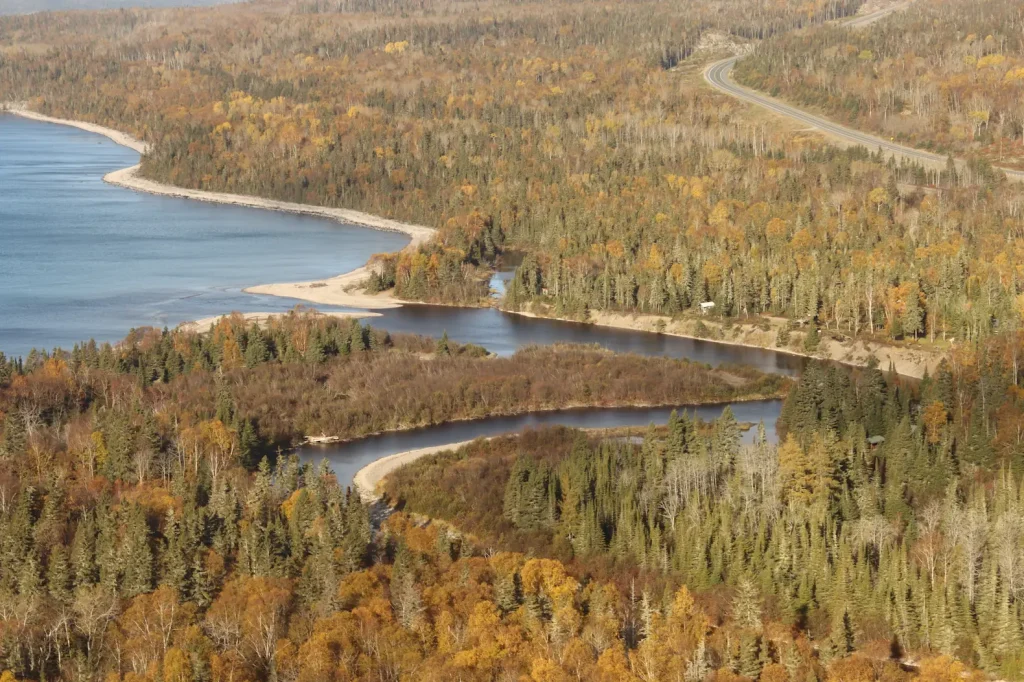
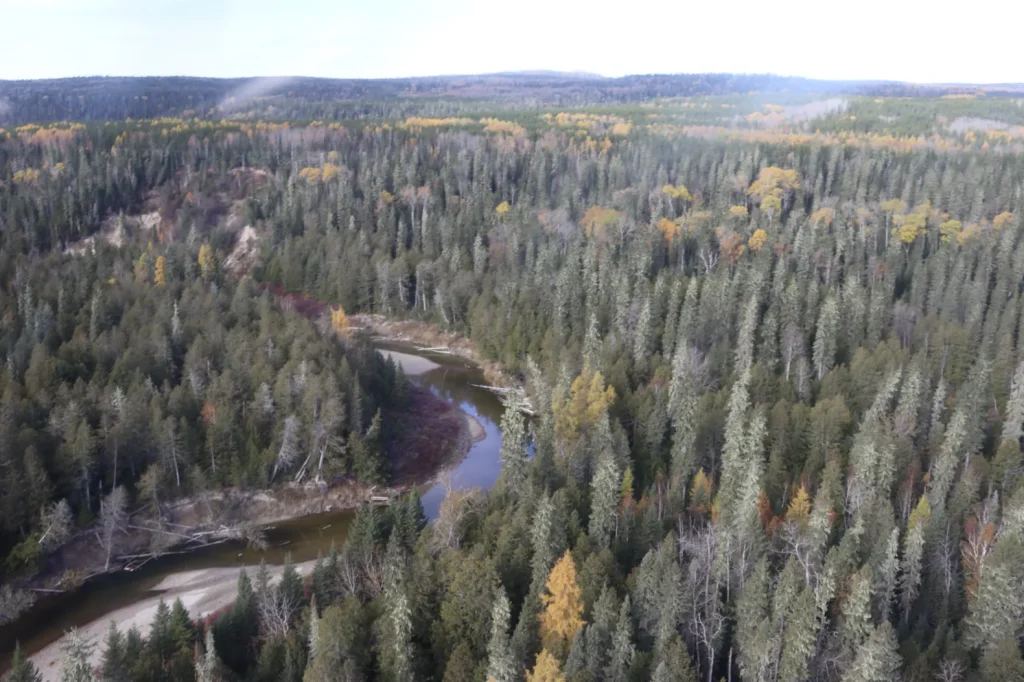
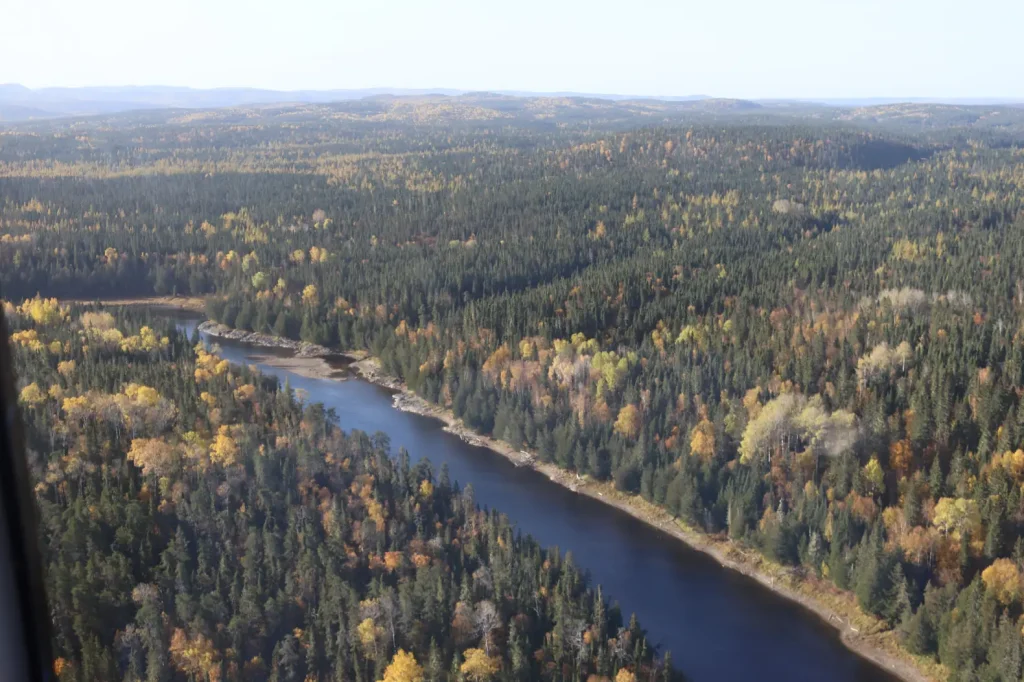
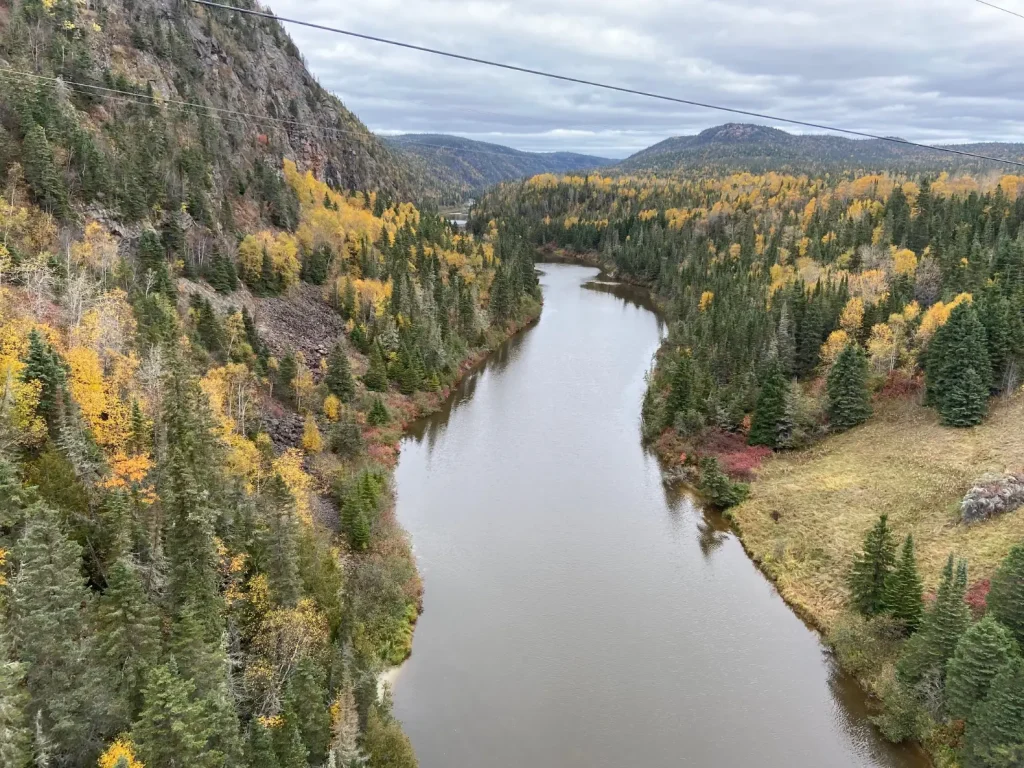
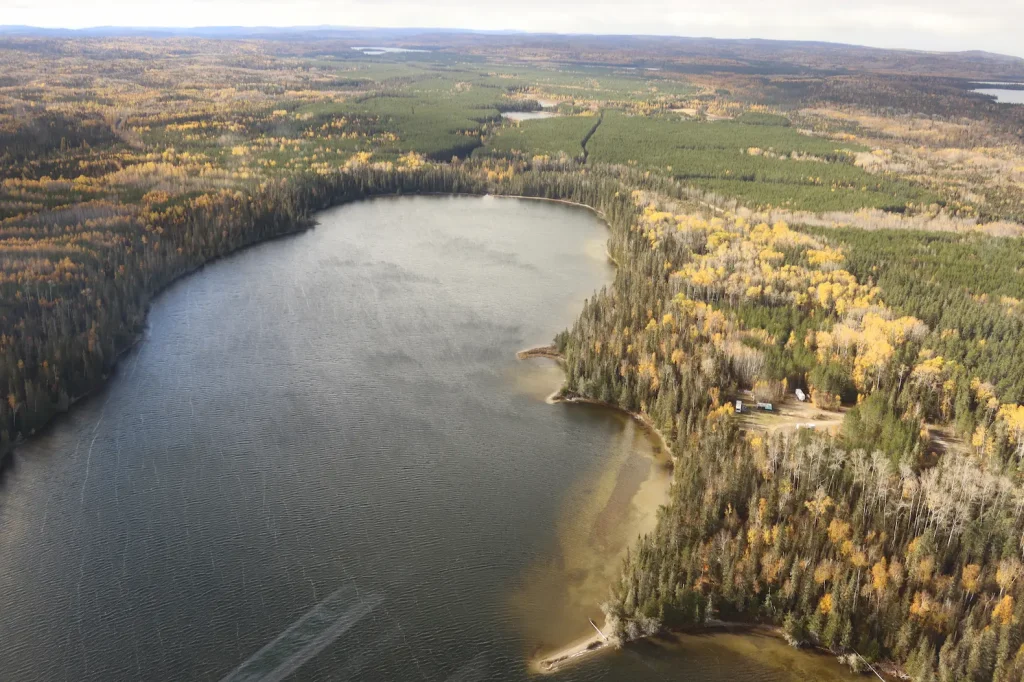
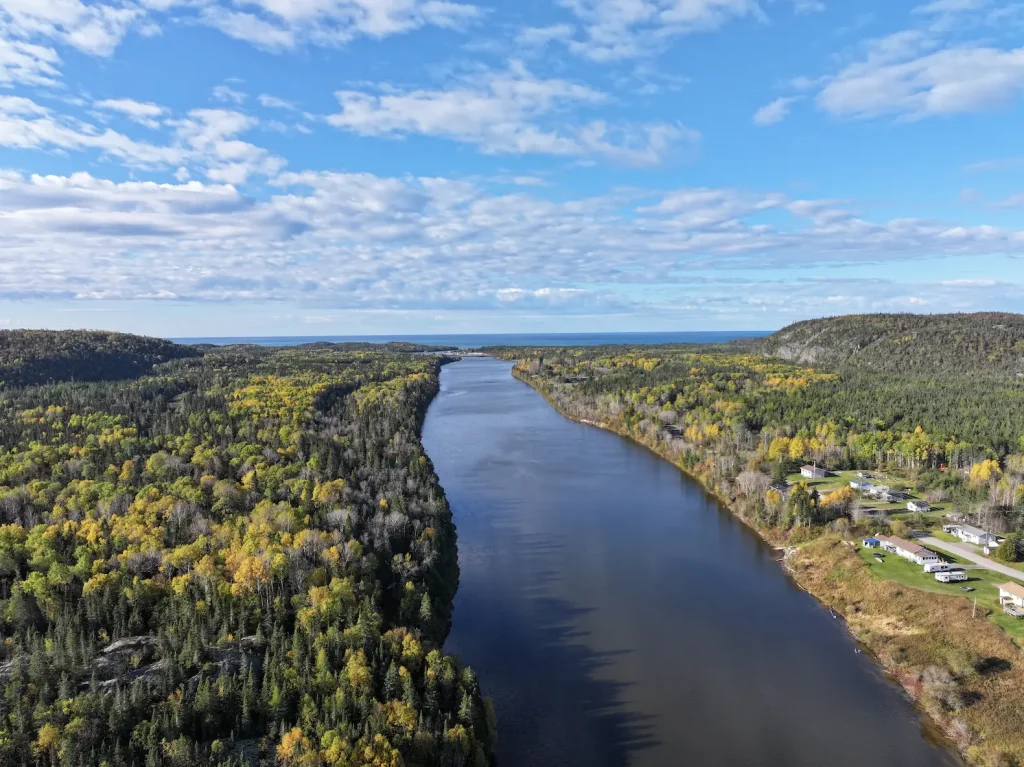
Biigtigoons Ziibii (Little Pic River) begins its 150-kilometre journey to Gichigami (Lake Superior) at Little Pic Lake. Biigtigoons Ziibii is a narrow river. It has a sandy bottom and banks of high sand dunes. Our people have been paddling, fishing, and caring for Biigtigoons Ziibii since time immemorial. Maintained portages and campsites along the river mean that our people and visitors can continue to enjoy the wonders of Biigtigoons Ziibii by travelling the routes our ancestors used for millenia.

All in a Name…

The sandy waters of Biigtigoons Ziibii can be muddy at certain times of the year. It is believed that the Ojibway word for mud (pekatek) is the source of the English name, the Little Pic River.

Dam

New Community Cabin

New Community Cabins (x2)

New location of Jackfish Camp

Original Jackfish Camp

Bigrock Camp

Wabous Camp

Moses Camp

New Developed Campsite

New Developed Campsite

New Developed Campsite

New Developed Campsite

Future Camp Site

Camp 14 Campsite

Esker Lake Camp Site (Temp)

Mooz Zaaghigan/Moose Lake/Esker Lake

Steel River Camp

Gaa-wmbaawngaag Zaaghigan Gbeshwining/Sandy Hill Lake Campsite/Aster Lake Campsite

Steel Lake Camp (Temp II)

Steel Lake Camp (Temp)

Steel Lake Camp Site II

Gaa-wzhaawshkwaabkaag Zaaghigan Gbeshwining/Bluestone Lake Campsite

Steel Lake Camp Site I

Wkikaandag Gbeshwining/Jackpine Campsite/Steel Lake Camp

Diablo Camp

New Diablo Camp Site

Dik Gbeshwining/Caribou Campsite

New Mountain Lake Camp

Gaa-gidjiiwaabkaag Zaaghigan Jiimaan Gbeshwining/Mountain Lake Canoe Camp

McKay Lake Camp

McKay Lake Camp

Pukatawagan Sandbar Camp

Puktawagan Ginoodaawangaa Gbeshwining/Pukatawagan Sandbar Camp

Sandbar Camp I

Michal Bridge Camp

Michal Zaaghigan Aazhogan Gbeshwining/Michal Lake Bridge Campsite

High Falls Camp

Giiwedin Ishpigakaamikijiwan Gbeshwining/North High Falls Campsite

Jackfish Camp

Ginoozhe Zaaghigan Gbeshwining/Pike Lake Campsite

Waboosekon Camp

Waboosekon Gbeshwining/Waboosekon Campsite

Tickseed Camp

Tickseed Gbeshwining/Tickseed Campsite

Caramat Camp

Caramat Gbeshwining/Caramat Campsite

Canoe Camp Site

Mnidoo Gkaamkijwang Gbeshwining/Manitou Falls Campsite

Legend

Click map icons to reveal more information.

Fun Fact

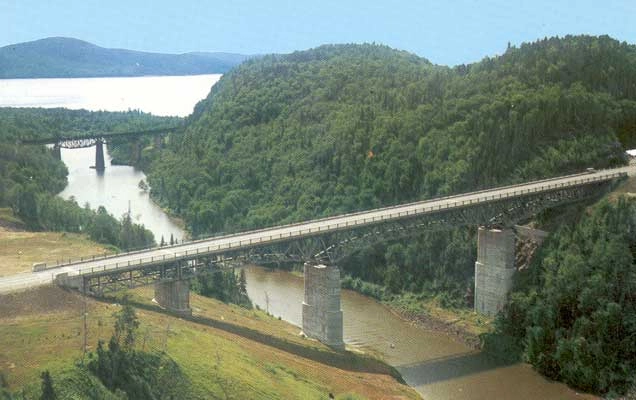
In 1958, the Department of Highways built a permanent bridge over the Biigtigoons Ziibii. At 55 metres above the river (and 225 metres long) it was, at the time it was built, the highest bridge on the TransCanada Highway.

Ancient Connections

Archaeological finds show our people’s long relationship with this river. Some campsites along the river date back over 2,000 years! Other sites are from the post-contact era, after the arrival of European settlers.
In more recent years, (1899) an American cargo ship sank off the shores of current-day Neys Provincial Park. Today, visitors can still view the wreck where Biigtigoons Ziibii flows into Lake Superior.

Prisoner of War Camp

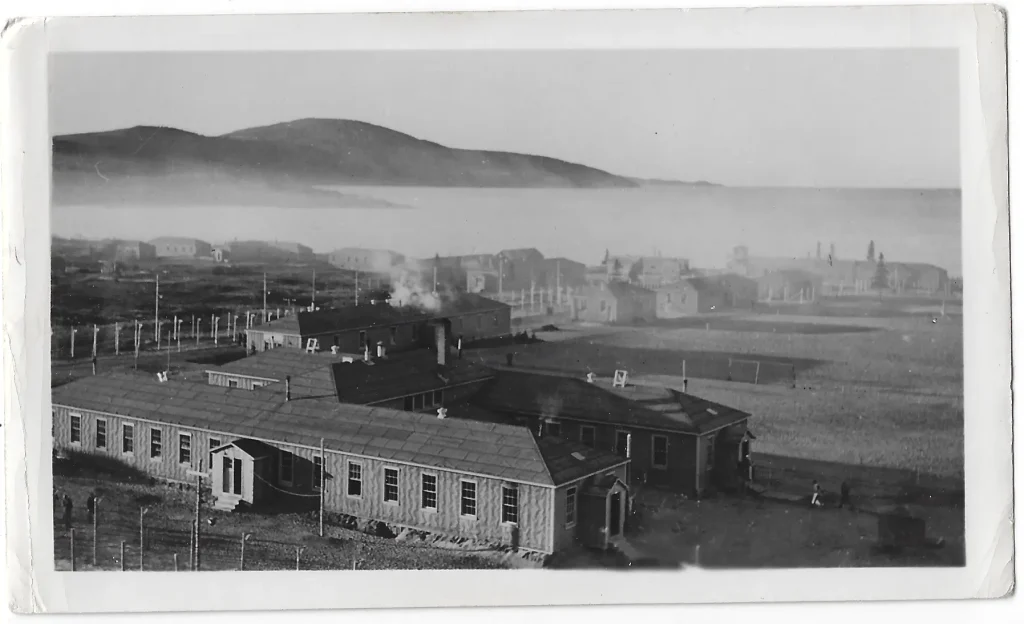
During World War II, the government of Canada located a prisoner of war camp on the shores of Lake Superior. The camp was built at the place that is now Neys Provincial Park. It was first named Camp W, but that later changed to Camp 100. The camp, one of almost 30 others, held German and Japanese prisoners of war. It closed in 1946 and was demolished. Visitors to Neys Provincial Park can view a model of the original camp and tour the remains of the original site. Learn more about Camp 100 here: Camp 100 – Neys (Camp W)

Fuelling the Logging Industry

Before the nearby highway and Canadian Pacific railroad existed, Biigtigoons Ziibii was used to drive logs to mills along the shores of Lake Superior and beyond. Logging crews lived in camps along the shores of the river, working in winter and spring to harvest trees. 

After the spring thaw,  the lumberjacks drove the logs down the river. At the river’s mouth, crews gathered the logs using floating fences called log booms. Then, they moved the wood to the mill, located in Marathon, Ontario. Evidence of these log drives remain at the river’s mouth, where you can see the metal rings that once anchored the chains holding the log booms.

Camping, Canoe Routes, and Portages

The mouth of Biigtigoons Ziibii opens up into Lake Superior at Neys Provincial Park, offering ample opportunities to enjoy the river. The park is an ideal starting point to explore the river. Further upstream, three new, maintained campsites as well as several maintained portages connect paddlers to the Killala Lake Conservation Reserve.
Research On The River

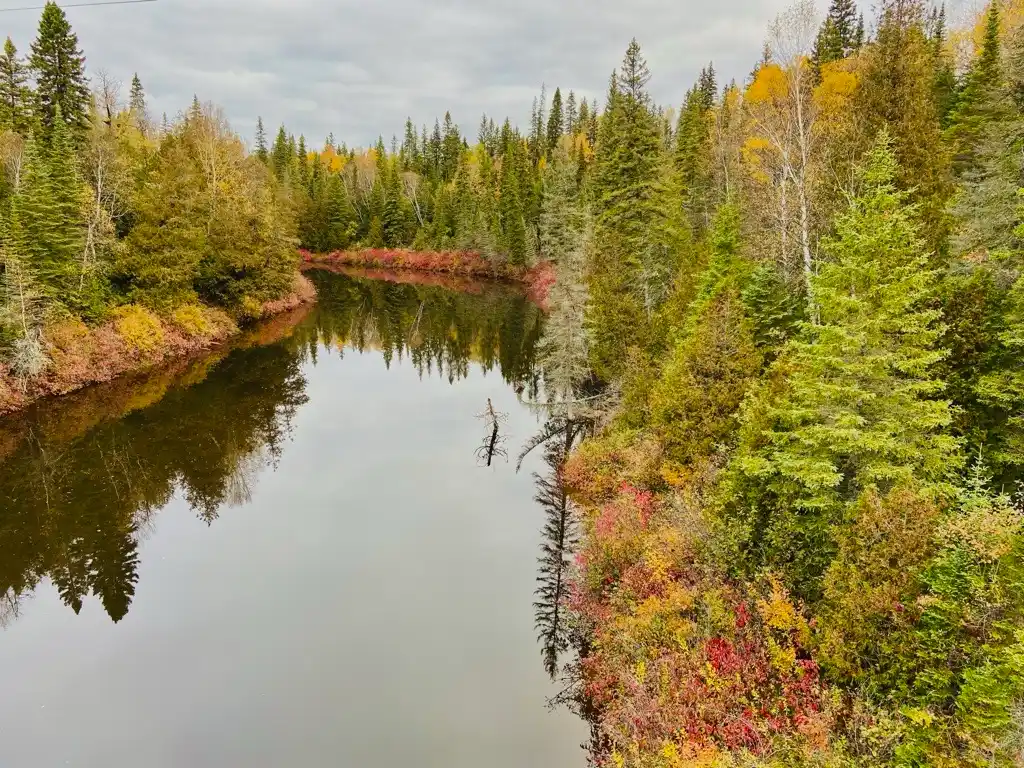
In order to protect our river, we are actively studying it. By speaking with Knowledge Holders and people who use the land, we have documented travel routes, cultural sites, big and small game hunting sites, bird hunting sites, fishing locations, sites used for trapping, and locations for gathering plants and other resources connected to Biigtigoons Ziibii.

Biology and Conservation

Biigtigoons Ziibii and its watershed are home to important animal species. This includes lake trout, northern pike, moose, wolves, and great blue heron. The river provides important habitat for fish. For example, Killala Lake Conservation Reserve protects a 13,900 hectare fish sanctuary.The lands are home to jack pine, balsam fir, white birch, spruce, and cedar trees typical of the boreal forest area.

References

Boultbee, J. (1967). Pic, Pulp and People- A history of the Marathon District. Marathon, ON: The Marathon Area Centennial Committee.

Gall, P. L. (1967). The Excavation of Fort Pic, Ontario. Ontario Archaeology, Publication No, 10, 34-63.

Ministry of the Environment, Conservation and Parks. (2026). Neys Provincial Park. Retrieved February 2026, from Ontario Parks: https://www.ontarioparks.ca/park/neys

Nature Metrics. (2024). Environmental DNA Report: Freshwater fish (excl. sharks & rays). Nature Metrics.

Norris, D. (2025). Summary Archaeological Background – IPCAs Waterways. Thunderbay, ON: Woodland Heritage Northwest.

Nute, G. L. (1946). History of the Pic River Area. Minnesota Historical Society.

O’Hagan, M. (n.d.). Camp 100 – Neys (Camp W). Retrieved 2026, from POWs in Canada: https://powsincanada.ca/pows-in-canada/internment-camps/camp-100-neys/